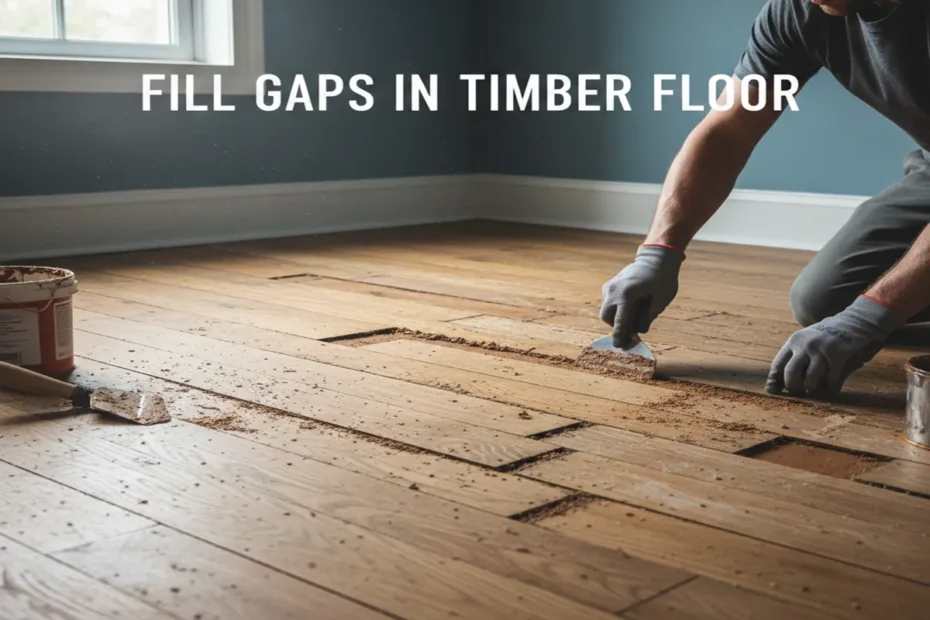
Timber floors add warmth, elegance, and timeless beauty to any home. However, over time, gaps may appear between the boards due to natural wood shrinkage, changes in humidity, or seasonal variations. These gaps not only affect the floor’s aesthetic appeal but can also allow dirt, dust, and even insects to accumulate. Learning how to fill gaps in timber floor is essential for maintaining both the look and functionality of your wooden flooring.
Why Do Gaps Appear in Timber Floors?
Wood is a natural material that expands and contracts with fluctuations in moisture levels and temperature. In dry seasons, timber often shrinks, leading to visible gaps between planks. Conversely, during humid conditions, the wood may swell, temporarily closing the gaps. Other contributing factors include:
-
Age of the timber floor
-
Poor installation
-
Subfloor movement
-
Excessive wear and tear
Understanding why gaps occur helps in choosing the most effective method to fill gaps in timber floor and prevent future issues.
Methods to Fill Gaps in Timber Floors
There are several ways to address gaps in timber floors. The choice depends on the size of the gaps, the type of timber, and whether you prefer a permanent or temporary solution.
1. Using Wood Filler
Wood filler is a popular choice for smaller gaps. It is easy to use, dries quickly, and can be sanded and stained to match your floor. Follow these steps:
-
Clean the gap thoroughly to remove dust and debris.
-
Apply the wood filler with a putty knife, pressing it firmly into the gap.
-
Smooth the surface with the knife, removing excess filler.
-
Allow it to dry completely, usually for a few hours.
-
Sand and stain if necessary to match the surrounding timber.
This method is ideal for gaps smaller than 1/4 inch and is a cost-effective solution for many homeowners.
2. Using Rope or Jute Filler
For larger gaps, a flexible option is using rope or jute filler. This technique is often employed in heritage or rustic timber floors. The process involves:
-
Choosing a rope or jute colour that closely matches your timber.
-
Cut the rope slightly longer than the gap.
-
Pressing the rope into the gap with a putty knife.
-
Trimming the excess for a neat finish.
This method is especially useful for seasonal gaps that expand and contract, as it allows the wood to move naturally without cracking.
3. Sawdust and Glue Mixture
Another traditional approach is mixing sawdust from your floor with wood glue to create a paste. This method blends seamlessly with the timber:
-
Collect sawdust from the same type of timber as your floor.
-
Mix the sawdust with wood glue until it forms a thick paste.
-
Press the mixture into the gaps.
-
Let it dry completely.
-
Sand and stain to match the floor finish.
This technique is excellent for small to medium-sized gaps and provides a natural, consistent look.
4. Expanding Wood Fillers
Some modern solutions include expanding wood fillers. These products swell slightly after application, filling gaps more effectively. They are ideal for wider gaps and ensure a long-lasting repair.
Tips for Preventing Gaps in Timber Floors
While filling gaps is necessary, prevention is always better. Here are some tips to minimise gaps in your timber floors:
-
Maintain consistent indoor humidity levels.
-
Avoid excessive exposure to direct sunlight.
-
Use a humidifier during dry seasons.
-
Choose quality timber and ensure proper installation.
By maintaining the right environment, you can significantly reduce the occurrence of gaps over time.
When to Call a Professional
If gaps are extremely large, uneven, or accompanied by floor movement or squeaking, it may be time to call a professional. Experts can assess the subfloor and suggest more permanent solutions, including floor sanding, board replacement, or even full refinishing.
Conclusion
Learning how to fill gaps in timber floor is essential for preserving both the aesthetic appeal and durability of your wooden floors. Whether you choose wood filler, rope, sawdust paste, or modern expanding fillers, the key is proper preparation and careful application. Coupled with preventive measures, these solutions can keep your timber floors looking beautiful for decades.
Regular maintenance and attention to environmental factors ensure that your floors remain gap-free, functional, and visually appealing. By taking the time to address gaps now, you protect your investment and enjoy the timeless charm of timber flooring for years to come.
FAQs:
1. What causes gaps in timber floors?
Gaps appear due to wood shrinkage, changes in humidity, seasonal temperature variations, or floor movement.
2. Can I fill gaps in timber floor myself?
Yes, small to medium gaps can be filled using wood filler, rope, or a sawdust-glue mixture with basic DIY tools.
3. Which method is best for large gaps?
For larger gaps, using rope or jute filler is ideal, as it allows the wood to expand and contract naturally.
4. How often should timber floor gaps be maintained?
Inspect your floors at least once a year, especially during dry seasons, to prevent gaps from worsening.
5. When should I call a professional?
If gaps are very wide, uneven, or accompanied by squeaking or floor movement, a flooring professional should assess and repair them.