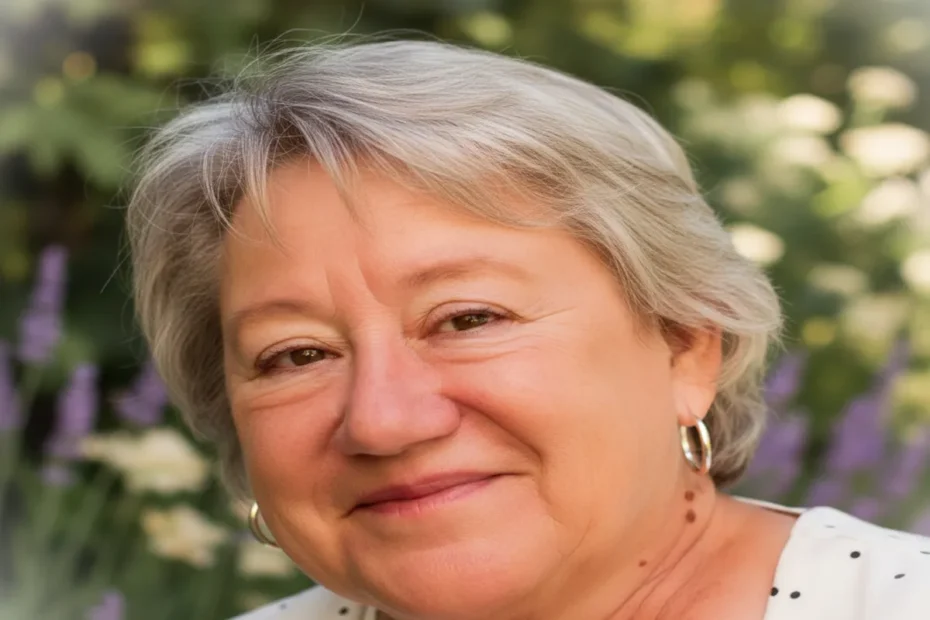
Valerie Mather Wainwright (1953–2015) was an American civic participant and politically engaged professional whose life was rooted in Houston, Texas. She is best known for her community involvement, her work connected to Republican political organizations in Washington, D.C., and for being the first wife of political strategist Karl Rove. Although she never sought public office, Valerie Mather Wainwright’s life reflects the important role of behind-the-scenes civic, political, and faith-based participation in American public life.
Overview and Key Facts
Valerie Mather Wainwright was a fourth-generation Houstonian who maintained strong ties to her city throughout her life. She was educated in Texas, participated in national political organizations at a young age, and remained committed to the church and volunteer service. Her name appears frequently in biographical references because of her early marriage to Karl Rove, which has led many readers to seek accurate information about her background and contributions.
Key facts about Valerie Mather Wainwright include:
-
Full name: Valerie Mather Wainwright
-
Alternate spelling: Valerie Mather
-
Year of birth: 1953
-
Date of death: January 22, 2015
-
Hometown: Houston, Texas
-
Education: Lamar High School; University of Texas at Austin; University of Houston
-
Affiliations: Junior League, Young Republican National Federation, Republican National Committee (RNC), Palmer Episcopal Church, Daughters of the King
Name and Record Variations
One point of confusion for researchers and readers is the spelling of Valerie Mather Wainwright’s surname. Some memorials and secondary listings use Wainright, while others use Wainwright. These spellings refer to the same individual, confirmed through matching middle name, dates, education, and Houston background. For clarity and consistency, this article uses Wainwright, which is the most frequently cited form in biographical references.
Early Life and Houston Heritage
Valerie Mather Wainwright was born in 1953 and raised in Houston, Texas. Described as a fourth-generation Houstonian, she came from a family with deep historical roots in the city. This long-standing connection shaped her identity and contributed to her lifelong commitment to local institutions and civic life. She attended Lamar High School in Houston, a well-known public school with a reputation for academic rigor and student involvement. Her early years in Houston provided a foundation of education, community awareness, and civic responsibility that influenced her later pursuits.
Higher Education in Texas
After completing high school, Valerie Mather Wainwright continued her education at two major Texas universities. She attended the University of Texas at Austin, one of the state’s flagship public institutions, where many students become exposed to political discourse, public service, and leadership opportunities. She later studied at the University of Houston, reinforcing her ties to her hometown and its academic community. While specific degree programs are not publicly documented, her educational path reflects a strong commitment to higher learning within Texas and prepared her for both professional and civic roles.
Civic and Volunteer Involvement
Community service played a meaningful role in Valerie Mather Wainwright’s life. She was a member of the Junior League, an organization known nationwide for promoting volunteerism, women’s leadership, and community improvement. Junior League members typically engage in hands-on service projects, fundraising efforts, and organizational leadership, all of which align with Wainwright’s civic-oriented lifestyle. Her participation in the Junior League places her among many women who contribute significantly to their communities without seeking public recognition, underscoring the importance of volunteer networks in local civic life.
Faith and Church Life
Faith was another central aspect of Valerie Mather Wainwright’s identity. She was an active member of Palmer Episcopal Church in Houston, one of the city’s prominent Episcopal congregations. In addition, she belonged to the Daughters of the King, an Episcopal order devoted to prayer, service, and spiritual growth. This involvement highlights her commitment not only to community service but also to faith-based engagement. Through church life, she maintained strong personal connections and contributed to the spiritual and charitable mission of her congregation.
Political Engagement and Professional Affiliations
Young Republican National Federation
Valerie Mather Wainwright was affiliated with the Young Republican National Federation, a national organization that encourages political participation and leadership development among young Republicans. Membership in this organization indicates early political interest and engagement at the national level.
Republican National Committee
She also worked in Washington, D.C., with the Republican National Committee (RNC). While detailed job titles or specific responsibilities are not widely published, work with the RNC commonly involves political operations, administration, research, or organizational support. Her involvement reflects a period in her life when she was professionally connected to national politics rather than local civic service alone.
Marriage to Karl Rove and Public Attention
In 1976, Valerie Mather Wainwright married Karl Rove, who later became one of the most influential Republican political strategists in modern American history. Their marriage ended in divorce in 1980, well before Rove’s rise to national prominence.
Why This Relationship Matters Historically
Because Karl Rove later played a significant role in U.S. politics, biographical accounts often include references to his early personal life. As a result, Valerie Mather Wainwright’s name appears in political biographies, leading to public curiosity about her life and background. It is important to note that her identity and contributions stand independently of this marriage, even though it remains a point of historical context.
Later Life
After her early political work and marriage, Valerie Mather Wainwright lived largely outside the public spotlight. She maintained strong ties to Houston and remained involved in church and community life. Her later years were characterized by continuity rather than public visibility, reflecting a personal focus on faith, relationships, and local engagement.
Death and Legacy
Valerie Mather Wainwright passed away on January 22, 2015, at the age of 61 or 62, depending on birth date records. Memorial references emphasize her deep Houston roots, her faith, and her service-oriented life. Her legacy is that of a woman who contributed to her community, participated in national political organizations, and lived a life grounded in education, service, and faith. While she was never a public figure in the traditional sense, her story illustrates how civic institutions, churches, and political organizations are sustained by individuals working beyond the spotlight.
Final Thoughts
Valerie Mather Wainwright’s life offers a valuable perspective on civic engagement in America. As a fourth-generation Houstonian, educated Texan, political participant, and church member, she represented a generation of women who shaped their communities through service rather than public office. Her biography continues to draw interest not because of controversy, but because it intersects with broader political history while remaining firmly rooted in local and personal commitment.
FAQs:
1. Who was Valerie Mather Wainwright?
Valerie Mather Wainwright was a Houston-born civic participant known for her involvement in community organizations, faith-based service, and early work connected to Republican political groups.
2. When did Valerie Mather Wainwright pass away?
She died on January 22, 2015, after a life rooted in service, education, and community involvement.
3. Is Valerie Mather Wainwright the same person as Valerie Mather Wainright?
Yes. Both spellings appear in public records and memorials, but they refer to the same individual.
4. Was Valerie Mather Wainwright a politician?
No. She was not an elected official, but she worked with political organizations and participated actively in civic and party-affiliated activities.
5. Why is Valerie Mather Wainwright associated with Karl Rove?
She was married to Karl Rove from 1976 to 1980, which is why her name appears in historical and biographical references related to his life.