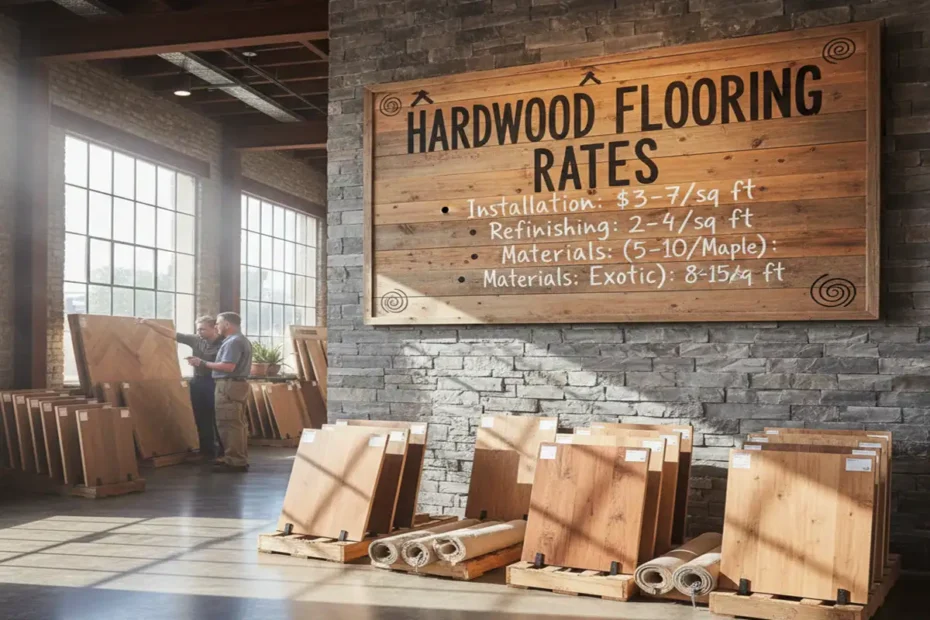
When it comes to home renovation, one of the most popular and timeless choices for flooring is hardwood. The natural beauty, durability, and overall elegance of hardwood floors make them an appealing option for homeowners looking to upgrade their spaces. However, before you dive into purchasing hardwood flooring, understanding the rates associated with it is crucial. In this article, we’ll break down the factors that influence hardwood flooring rates, how to compare different options, and what to expect when budgeting for this renovation project.
What Affects Hardwood Flooring Rates?
The cost of hardwood flooring varies significantly based on several key factors. Knowing these will help you make a more informed decision and avoid any surprises when it’s time to pay.
-
Wood Type
The type of wood you choose plays a significant role in determining hardwood flooring rates. Oak, maple, cherry, and walnut are among the most common choices, but exotic woods like Brazilian cherry or teak can increase the cost significantly. Domestic woods typically cost less than imported varieties due to their availability and transportation costs. -
Quality of the Wood
The grade and quality of the wood also impact the pricing. Higher-grade woods, which have fewer knots and imperfections, tend to be more expensive. On the other hand, lower-grade options, which may feature more knots or discoloration, can offer a more affordable choice. -
Flooring Thickness
Another factor influencing hardwood flooring rates is the thickness of the planks. Standard hardwood flooring is usually about 3/4 inch thick, but thinner options or engineered hardwood may cost less. However, thicker planks tend to be more durable and can be refinished multiple times, making them a better long-term investment. -
Finish and Style
The finish you choose can also affect hardwood flooring rates. Pre-finished hardwood floors cost more than unfinished wood, but they save time during installation. Additionally, unique or custom finishes, such as hand-scraped textures or distressed looks, can add to the cost. -
Installation Costs
Beyond just the material cost, you must also consider the cost of installation. Professional installation typically adds $3 to $8 per square foot, depending on the complexity of the job and the region. If you’re handy, you can save money by installing the flooring yourself, but this requires experience and proper tools.
Average Hardwood Flooring Rates
While rates can fluctuate based on factors like location and the materials you choose, it’s helpful to know the general price range for hardwood flooring. On average, homeowners can expect to pay anywhere from $5 to $12 per square foot for hardwood flooring, including installation. Here’s a rough breakdown of hardwood flooring rates by material type:
-
Oak Hardwood: $3 – $7 per square foot
-
Maple Hardwood: $4 – $9 per square foot
-
Cherry Hardwood: $5 – $10 per square foot
-
Exotic Woods (Teak, Brazilian Cherry, etc.): $7 – $15 per square foot
-
Engineered Hardwood: $3 – $10 per square foot
If you’re looking for a more budget-friendly option, engineered hardwood could be an excellent choice. Though it doesn’t offer the same longevity as solid hardwood, engineered flooring comes at a fraction of the cost and is often just as beautiful.
How to Save on Hardwood Flooring Rates
Even though hardwood floors can be expensive, there are ways to reduce the overall cost without sacrificing quality or style.
-
Choose Less Expensive Wood Types
As mentioned, oak and maple are typically more affordable than exotic hardwoods. By opting for these domestic woods, you can cut down on costs significantly while still achieving a beautiful, durable floor. -
Look for Sales or Discounts
Timing your purchase during a seasonal sale or special promotion can help you save. Many flooring retailers offer discounts during the holidays or end-of-season sales, so it’s worth keeping an eye out for these opportunities. -
Install the Flooring Yourself
If you’re up for a challenge, installing the hardwood floors yourself can save you a lot of money. Just be sure to research proper installation techniques and have the right tools for the job. If you’re not confident in your skills, hiring a professional might be worth the added cost. -
Consider Smaller Rooms
Smaller rooms like bathrooms or entryways require fewer materials, and thus the overall cost is reduced. If you’re looking to renovate without breaking the bank, focus on smaller spaces where you can make an impact without spending too much.
Conclusion
Hardwood flooring rates can vary significantly depending on factors like wood type, thickness, quality, and installation costs. By understanding what drives these rates, you can make an informed decision and select the best option for your home and budget. Whether you’re looking for a luxurious exotic wood or a more affordable domestic variety, there’s a hardwood flooring option for every homeowner.
To save on hardwood flooring rates, consider choosing a less expensive wood type, looking for sales, or taking on the installation yourself. With a bit of research and planning, you can achieve the beautiful, timeless look of hardwood floors without overspending. Always keep in mind that hardwood floors are a long-term investment, so weigh the costs against the value they bring to your home in terms of aesthetics and resale value.
FAQs:
1. What are the most affordable hardwood flooring options?
The most affordable hardwood options are oak and maple, both of which provide durability and a classic look without breaking the bank.
2. How do I calculate hardwood flooring rates for my project?
Multiply the square footage of the area you want to cover by the price per square foot of the hardwood you’ve chosen. Don’t forget to factor in the cost of installation!
3. Can I install hardwood floors myself?
Yes, but it requires skill and proper tools. DIY installation can save you money, but be sure you’re comfortable with the process.
4. Why is engineered hardwood cheaper than solid hardwood?
Engineered hardwood uses a layered construction, making it less expensive to produce. It’s also easier to install, which can reduce labor costs.
5. How long do hardwood floors last?
With proper care and maintenance, hardwood floors can last for several decades, making them a worthwhile investment in the long run.